Inheriting a property is rarely simple. You’re grieving, juggling paperwork, and suddenly responsible for a house that might be cluttered, outdated, or in need of repairs. Then comes the question: what now?
If you’re dealing with a deceased estate in Wollongong or the Illawarra, you’re probably overwhelmed. You know the property needs work before it can sell, but you don’t know the order of operations or what it actually costs. This guide walks you through exactly what needs to happen—and why rushing the process will cost you money.
Why You Can’t Rush a Deceased Estate to Market
Here’s the harsh truth: listing a deceased estate property without preparation loses you money. Full stop.
A house filled with decades of personal belongings, outdated finishes, and deferred maintenance signals to buyers that something’s wrong. They’ll either walk away or lowball you. In a regional market like Wollongong, where properties move more slowly than Sydney, a poorly prepared property can sit for months—costing you holding costs while the value erodes.
Properties that are cleared, restored, cleaned, and staged sell faster and for more money. This isn’t theory—it’s what happens when you remove the friction and let buyers see potential instead of problems.

Understanding the 4-Stage Process
This is how deceased estates actually become sale-ready. Each stage matters, and skipping steps costs you in the end.
Stage 1: Clear the Home
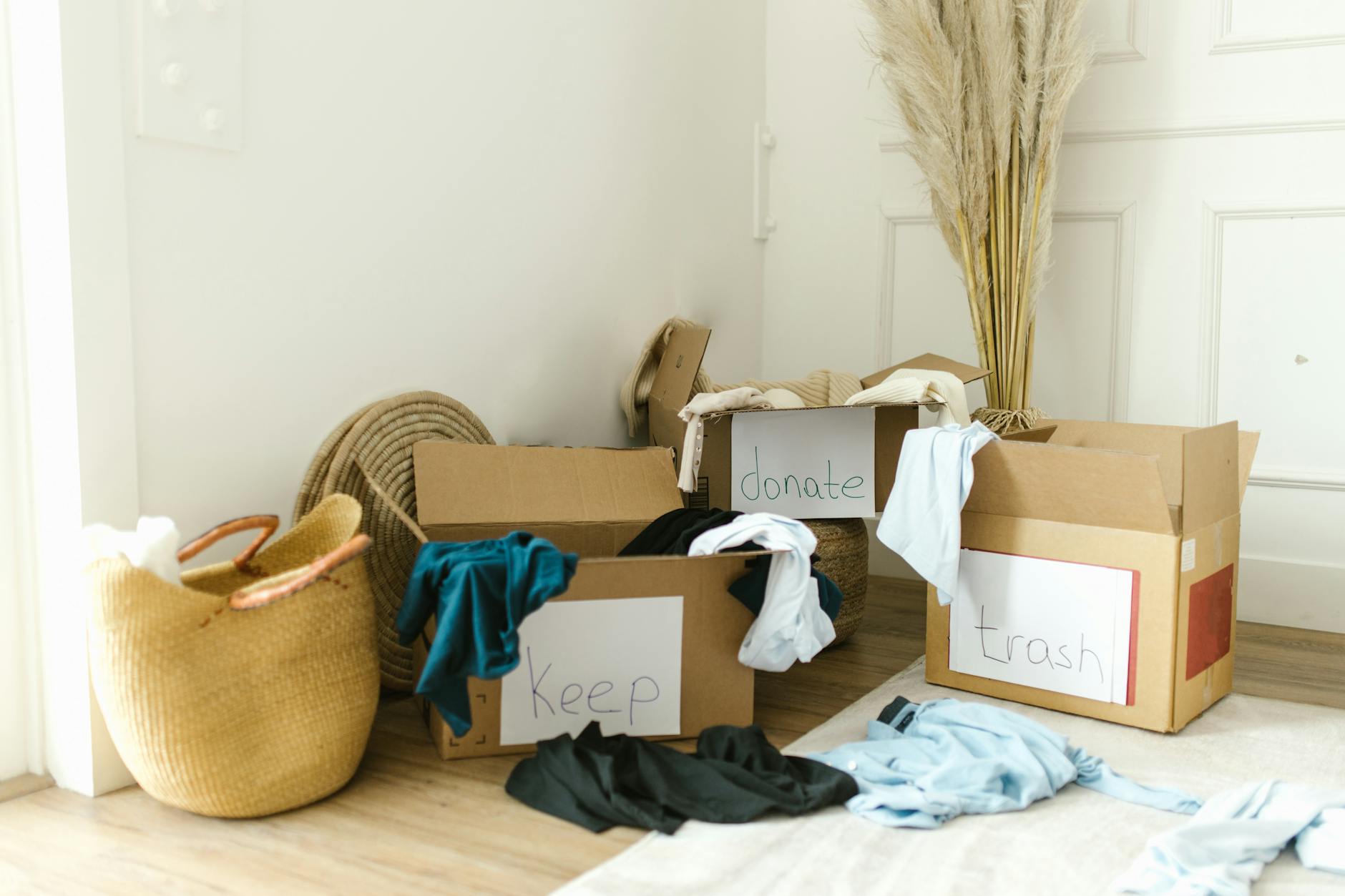
This is the emotional and physical heart of the work. Your parent’s or relative’s belongings—furniture, clothing, personal items, junk they kept for 30 years—all need to go somewhere.
Proper clearing means:
- Identifying items of sentimental or resale value
- Coordinating donations to local charities (responsible, not wasteful)
- Removing bulk items safely and efficiently
- Disposing of hazardous materials correctly
- Handling everything with respect for the person who lived there
This isn’t a job you want to DIY. It’s physically demanding, emotionally draining, and if done badly, you’ll waste time and money. Professional clearing services handle it in days instead of weeks.
Stage 2: Restore and Renovate
Once the house is cleared, you can actually see what needs fixing. This stage is where value gets added.
In a Wollongong market, buyers care about:
- Roof condition (salt air and weather take their toll)
- Plumbing and electrical safety (especially in older homes)
- Bathroom and kitchen functionality (don’t need luxury, just working)
- Flooring condition (worn carpet and stained tiles are dealbreakers)
- Paint and weatherproofing (first impression matters)
You’re not renovating for a magazine spread. You’re fixing the things that make buyers nervous and removing obvious red flags. Smart repairs here pay for themselves in sale price.
Stage 3: Deep Clean and Sanitation
A thorough deep clean isn’t just about making the house look nice—it signals that the property has been properly maintained and cared for.
This includes:
- Professional carpet and upholstery cleaning
- Grout, tiles, and hard surfaces restored
- Odour elimination (crucial in older homes)
- Windows and fixtures polished
- Gardens tidied and edges cleaned
Smell matters more than most people realise. A property that smells clean sells faster. A property that smells musty or stale gets walked out of—and buyers tell their agents not to bother.
Stage 4: Staging for Maximum Appeal
Staging isn’t about making a house look fake. It’s about removing visual clutter and helping buyers see how to use the space.
In Wollongong’s regional market, staging helps by:
- Arranging furniture to show room size (not cramping it)
- Highlighting views (ocean, valley, garden—Illawarra has real assets)
- Creating neutral, inviting spaces
- Adding basic landscaping appeal
- Making it easy for buyers to imagine living there
Good staging typically increases sale price by 3-5%. In a $500k property, that’s $15-25k. It costs a fraction of that.
Timeline and Realistic Expectations
How long does this actually take?
Clearing: 1-3 weeks depending on house size and amount of stuff.
Restoration: 2-6 weeks for standard repairs. Major work (roof, plumbing overhaul) takes longer.
Deep clean: 3-7 days for a standard house.
Staging: 2-3 days to arrange and prep.
Total timeline: 6-12 weeks for a typical Wollongong estate, start to market-ready. Some take longer if structural issues emerge.
Yes, this takes time. But a rushed, unprepared listing takes even more time—months sitting on the market while the property loses appeal and your holding costs pile up.
Common Mistakes Families Make
1. Trying to Handle It Themselves
Clearing a house is hard physical work. Renovation decisions need expertise. Cleaning to professional standards takes specialist equipment. If you’re already grieving and managing probate, taking this on yourself is a recipe for burnout and poor outcomes.
2. Holding onto Items Out of Guilt
A house full of your parent’s stuff isn’t a tribute. It’s an obstacle to selling. Respectful clearing means donating usable items to charities, not letting the property rot because you feel bad.
3. Skipping Repairs to Save Money
Buyers always find problems. If you don’t fix them proactively, they’ll use them as negotiating leverage—and you’ll lose way more than the cost of the repair.
4. Listing Too Early
Listing before the property is truly ready is false economy. You’ll get fewer buyers, lower offers, and agent showings that go nowhere. Market it right, and it sells faster for more.
Why Local Matters for Wollongong Estates
Wollongong and the Illawarra have their own character. A Sydney contractor might not understand what buyers in this region actually care about. A local team does.
They know:
- Which repairs matter most to local buyers
- Typical property conditions in different suburbs
- How to present a house to attract regional buyers
- Local market timing and seasonality
- The rhythm of selling in a regional area
You also get better communication. A local team can visit the property regularly, respond quickly to issues, and coordinate all the moving parts without you managing contractors across town.
What to Do Now
If you’ve just inherited a property in Wollongong or the Illawarra, the next step is straightforward: get a professional assessment.
A qualified team will visit the property, identify what needs to happen, give you a realistic timeline, and outline what it costs. No guesswork. No surprises.
From there, you can make an informed decision about whether to handle it yourself or bring in professionals who specialise in exactly this work.
Either way, now you know what actually needs to happen. No more wondering. No more guessing. Just a clear path forward.
Leave a Reply