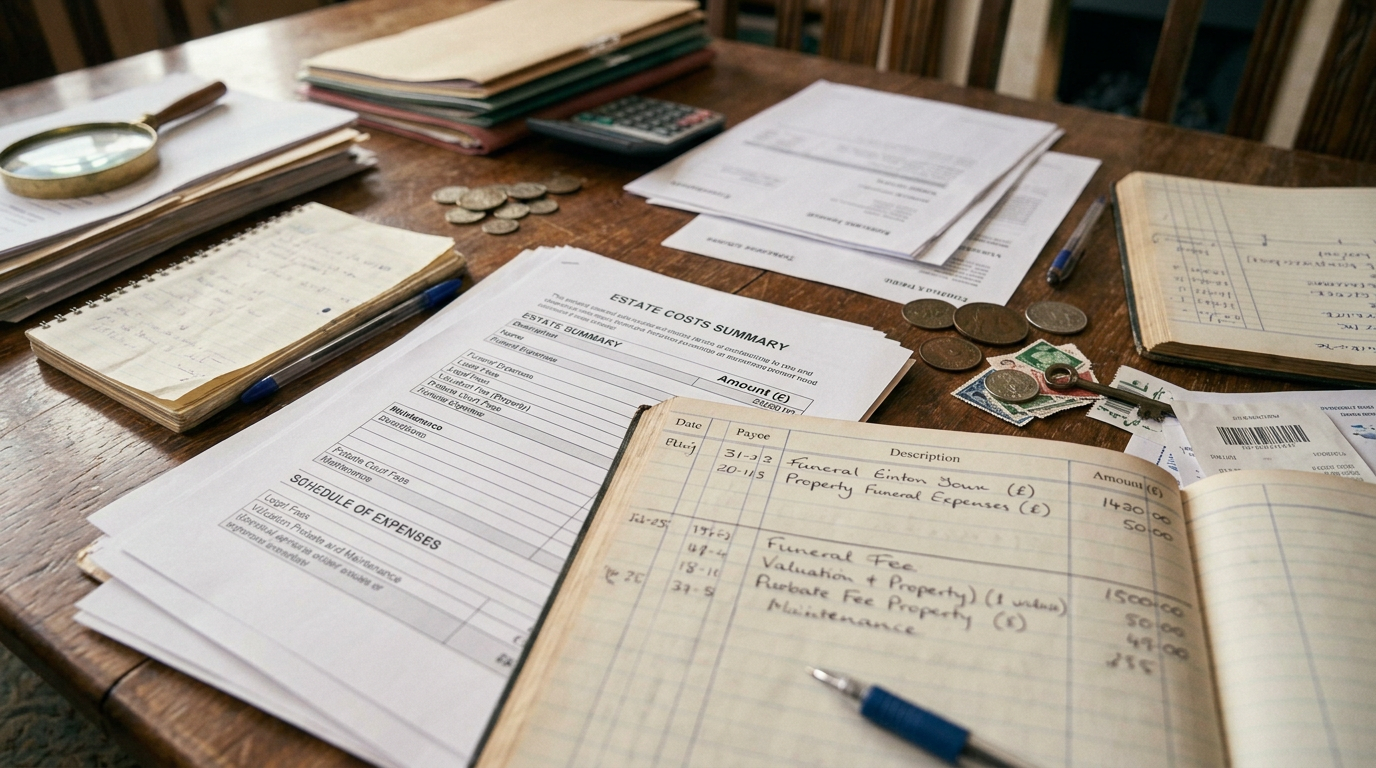
If you’ve searched for the cost of preparing a deceased estate for sale, you’ve probably noticed nobody gives you a straight answer. That’s not businesses dodging the question. It’s that no single price applies to every property.
Two three-bedroom homes on the same street can cost completely different amounts to prepare. One might need a quick clear-out and a clean. The other might need weeks of work before it’s ready for buyers. The same applies if you’re downsizing a parent into aged care rather than dealing with a deceased estate outright.

Here’s what actually determines the cost.
1. How Much Clearing Is Needed
This is usually the single biggest factor. A lightly furnished home clears quickly. A property lived in for decades, every room full of furniture, paperwork, clothing, and sentimental items, is a much bigger job.
What drives the cost here:
- Overall volume of belongings
- Whether items need sorting for family or resale value, or can go straight to removal
- Truck and skip bin access (a driveway makes this faster and cheaper than several flights of stairs)
- Whether hoarding is involved, which adds time and sometimes specialist handling
A quick clear-out and a full hoarding clean-out sit in completely different cost brackets, and that’s before anything else about the property is factored in.
2. The Condition of the Property
Once the contents are out, the property’s real condition becomes obvious. Older homes, particularly ones that haven’t been touched in decades, usually need more work before they’re market-ready.
The issues that come up most:
- Roof condition, which coastal weather in the Illawarra is hard on
- Ageing plumbing or electrical systems, especially in pre-1980s homes
- Water damage, damp, or mould
- Structural issues that were hidden behind furniture or storage
- Cosmetic wear that affects how buyers read the property
Some homes only need cosmetic touch-ups. Others need repairs that genuinely lift the final sale price, and skipping them usually costs more at negotiation than it saves upfront.
Not sure what applies to your property? A professional assessment identifies exactly what’s worth doing before you spend anything. Get a free quote.

3. Which Stages Are Actually Needed
Not every estate needs all four stages at full scale, and that’s part of why the cost of preparing a deceased estate for sale varies so much. Some properties are ready after clearing and a deep clean. Others need real repair work, painting, garden tidy-up, and staging before they’re presentable at all.
The more stages involved, and the more intensive each one is, the more it costs. This is also where you have the most control: a proper assessment should tell you honestly which stages your property needs, not upsell you on work that won’t move the sale price.
4. Specialist or Biohazard Situations
Some estates involve work that goes beyond a standard clean-out: unattended deaths, significant mould contamination, pest infestations, or hazardous materials. These require different equipment, training, and regulated disposal, and they’re priced accordingly. If this applies to your situation, mention it upfront when you request a quote, since it changes the scope of the job from the outset.
5. Property Location and Access
Where the property sits affects cost more than most people expect:
- Distance from Wollongong and the Illawarra base, particularly toward the Southern Highlands, Shoalhaven, or South Coast
- Whether trucks and bins can get close to the house, or items need carrying a distance first
- Rural or acreage properties, which often involve sheds and outbuildings beyond a standard block
- Strata or apartment buildings, which may have lift limits or restricted work hours
None of this is a reason to expect a blown-out quote. It’s just part of why two similar-looking properties can cost different amounts to prepare.
6. Your Timeline
Timing affects the cost of preparing a deceased estate for sale too, though not always in the direction people expect. Estates under time pressure, where a fast sale is needed for financial or legal reasons, often need work run in parallel rather than one stage after another, which takes more coordination. Properties with no urgency can sometimes be scheduled more efficiently around existing workload, which works in your favour.
If you’re working to a probate deadline, settlement date, or family agreement, say so upfront. It changes how the work is planned, not just what it costs.
7. Aged Care Transitions and Downsizing
Not every job like this is a deceased estate. The same work comes up often when a parent is moving into aged care, or a family is downsizing from a large home into something smaller. The cost drivers are similar, with a few differences worth knowing:
- Sorting usually takes longer, not less time. With a deceased estate, the family makes most decisions. With a downsizing move, the person themselves is often involved in deciding what comes with them, what goes to family, and what’s sold or donated.
- Timing is frequently fixed to an aged care placement date, which adds the same urgency pressure covered above, often with less flexibility.
- The property doesn’t always need to be sale-ready immediately. Some families downsize a parent first and prepare the property for sale afterward, on a different schedule to a straight estate sale.
- Pace matters more. This is harder on the person moving, who’s often present for it. Rushing it causes more stress than it saves in time, and a good provider works at a pace that respects that.
If this is your situation, mention it when you request a quote. The process and pricing sit close to a deceased estate transition, but the sequencing and pace usually need to be handled differently.

DIY vs. Professional: Where the Real Comparison Sits
It’s tempting to think doing it yourself, a skip bin here, a cleaner there, a handyman for repairs, is the cheaper option. Sometimes it is. But the honest comparison includes more than the invoice:
- Your time. Clearing a full house yourself typically takes weeks of weekends, not days. If you’re working, grieving, or living outside the area, that’s a real cost even without an invoice attached to it.
- Coordination. Managing separate contractors for clearing, repairs, cleaning, and staging makes you the project manager, chasing quotes and covering gaps when something falls through.
- Mistakes that cost more later. A missed repair, incorrect disposal of hazardous items, or a rushed clean tends to show up as a lower offer or a failed inspection, which costs more than doing it properly the first time.
A single provider handling all four stages isn’t automatically cheaper than DIY, but once your time, coordination, and the risk of costly mistakes are counted, it usually comes out ahead.
Why There’s No Flat Rate, and Why That’s Better for You
An honest business won’t advertise a fixed “starting from” price, because that figure can’t account for the condition of the home, the volume of belongings, access, or the level of work actually required.
A flat rate quoted before anyone has seen the property is either priced for a best-case scenario that gets revised upward once they see yours, or padded enough to cover worst-case properties, which means most people overpay. Either way, it’s not a real number.
A proper assessment looks at your specific property, in its specific condition, and gives you a fixed quote based on the work actually involved, not an average.
Frequently Asked Questions
Do I need to clear the house before getting a quote?
No. A proper assessment prices the job as it currently stands, clutter and all. If a provider insists you clear it yourself first, that’s a sign they’re not equipped to handle the full job.
Will I get a fixed price or a rough estimate?
A responsible provider gives you a firm quote after inspecting the property, not a vague figure that shifts once work starts. Be cautious of any quote given before anyone has seen the house.
What if the property needs more work than expected once it’s cleared?
This happens sometimes, since issues like water damage or structural wear are often hidden until decades of belongings are cleared out. A good provider flags this as soon as it’s found and gets your sign-off before doing extra work, rather than surprising you on the final invoice.
Does hoarding change how the quote works?
Yes. Hoarding situations typically need more time, more careful sorting, and sometimes specialist waste handling, so they’re assessed separately from a standard clear-out. Mention it upfront so the assessment is accurate.
Find Out What Your Property Will Cost
If you’ve inherited a property in Wollongong or the Illawarra, or you’re downsizing a family member into aged care, the fastest way to understand the cost is an on-site assessment. We’ll inspect the property, tell you honestly what’s worth doing, and give you a clear, no-obligation quote based on what’s actually there.
Still early in the process? Our guide to what happens after probate walks through the full process before you get to this stage.
Leave a Reply